

Introduction
Decentralized Physical Infrastructure Networks (DePIN) represent one of the most promising frontiers in blockchain technology. By incentivizing the creation and maintenance of physical infrastructure through crypto token rewards, DePIN projects are bridging the gap between digital assets and real-world utility. One of the primary mechanisms these projects use to distribute tokens and build community is the airdrop—a strategy that has gained significant traction in recent years.
In this comprehensive guide, we’ll explore what DePIN airdrops are, how they work, and analyze the top 13 DePIN airdrop projects that are making waves in the crypto ecosystem. Whether you’re a seasoned crypto investor or just beginning to explore the potential of blockchain technology, understanding DePIN airdrops could provide valuable insights into the evolving landscape of decentralized networks.
What Are DePIN Networks?
DePIN, or Decentralized Physical Infrastructure Networks, combine blockchain technology with real-world infrastructure, creating systems where participants contribute physical resources or services in exchange for cryptocurrency rewards. These networks aim to decentralize traditionally centralized infrastructure services, spanning sectors such as:
- Wireless communications
- Computing resources
- Energy distribution
- Storage solutions
- Sensor networks
- Transportation systems
The core innovation of DePIN lies in its ability to incentivize the creation and maintenance of physical infrastructure without requiring centralized coordination or corporate ownership. Instead, these networks operate through a distributed model where independent participants collectively build, maintain, and benefit from the infrastructure.
Before we dive in — a quick note if you’re new to DePIN. Most of the projects below reward you in project-specific tokens (GRASS, HNT, RNDR, etc.). To actually use or sell those rewards, you need a crypto exchange account ready. We recommend setting up Binance first — it’s free, takes 10 minutes, and supports the majority of DePIN tokens listed in this guide. If you already have an exchange account, skip ahead.
Get your exchange account ready before earning DePIN tokens
Binance lists GRASS, HNT, RNDR, FIL, AR and most other major DePIN tokens. Create your free account now so you have a receiving address ready when your first rewards arrive.
- Supports 350+ DePIN and altcoins
- Free to create — verified in under 10 minutes
- Convert any token to USDT or cash out to your bank
Affiliate disclosure: We may earn a commission if you sign up via this link, at no extra cost to you.
Key Characteristics of DePIN Networks:
| Feature | Description |
| Token Incentives | Cryptocurrency rewards for contributing resources |
| Physical Components | Hardware devices, sensors, or infrastructure |
| Decentralized Governance | Community control over network development |
| Real-World Utility | Provides tangible services beyond the blockchain |
| Open Participation | Anyone can join by contributing resources |






Understanding Crypto Airdrops in the DePIN Ecosystem
What Is a Crypto Airdrop?
A crypto airdrop is a distribution mechanism where a blockchain project sends free tokens to wallet addresses. In the context of DePIN projects, airdrops serve multiple strategic purposes:
- Community Building: Distributing tokens to early adopters and potential users helps create an initial community of stakeholders.
- Network Bootstrapping: Airdrops can jump-start network activity by putting tokens in the hands of people likely to use the network.
- Decentralization: Spreading tokens widely helps achieve a more decentralized token distribution, which is crucial for network security and governance.
- Marketing: Airdrops generate buzz and awareness around new projects, often at a lower cost than traditional marketing.
Why Are Airdrops Particularly Important for DePIN Projects?
DePIN projects face a unique challenge: they need both crypto enthusiasts and people willing to contribute physical resources. Airdrops help bridge this gap by:
- Incentivizing early infrastructure providers
- Rewarding users who contribute data or services
- Creating liquidity for tokenized real-world assets
- Establishing governance systems for infrastructure management
Types of DePIN Airdrops:
- Hardware Contribution Airdrops: Tokens distributed to those who operate physical devices
- Data Contribution Airdrops: Rewards for providing valuable data to the network
- Service Utilization Airdrops: Tokens for users who actively use the network’s services
- Governance Participation Airdrops: Rewards for participating in network governance
- Testnet Participation Airdrops: Tokens for helping test and refine the network before mainnet
Top 13 DePIN Airdrop Projects to Watch in 2025
GetGrass (GRASS)
Overview: GetGrass is building a decentralized VPN network where users can monetize their internet bandwidth by sharing it with other users who need private or unrestricted web access.
Airdrop Strategy: GetGrass distributes tokens to both bandwidth providers and early network users. Their “Proof of Usage” model rewards consistent participation and network growth through referrals.
Recent Developments: The platform has gained significant traction with over 1 million registered users and has expanded its node network across 150+ countries, offering substantial rewards to early adopters.
How to Participate:
- Install the GetGrass app on your device to share bandwidth and earn tokens
- Refer new users to the platform through the referral program
- Participate in community challenges and testing programs
- Run dedicated high-bandwidth nodes for premium rewards
- Stake GRASS tokens for additional passive earning potential
Official Links:
- Website: getgrass.io
- Dashboard: app.getgrass.io
- Documentation: docs.getgrass.io
- Community: t.me/getgrass
Helium (HNT)
Overview: Helium has established itself as one of the pioneers in the DePIN space, creating “The People’s Network”—a decentralized wireless infrastructure for IoT devices.
Airdrop Strategy: While Helium’s initial token distribution is complete, the network continues to reward hotspot operators who provide wireless coverage. The project has transitioned to a multi-token model with specialized tokens for different network types (IoT, 5G, etc.).
Recent Developments: Helium’s migration to Solana in 2023 has expanded its ecosystem and opened new opportunities for token rewards. The network now has over 1 million active hotspots globally.
How to Participate:
- Deploy approved Helium hotspot devices to earn HNT rewards
- Focus on areas with less coverage for higher rewards
- Participate in the network’s governance through token staking
- Monitor the official Helium Discord and Twitter for special reward campaigns
Render Network (RNDR)
Overview: Render Network decentralizes GPU rendering power, allowing artists and creators to access distributed rendering resources for 3D content, visual effects, and other compute-intensive creative work.
Airdrop Strategy: Render has implemented a provider rewards program that functions similarly to an ongoing airdrop, where GPU providers receive RNDR tokens for contributing computing power.
Recent Developments: The network has expanded beyond rendering to support AI model training and inference, significantly increasing the demand for network resources.
How to Participate:
- Contribute GPU resources through the Render Network client
- Maintain high uptime and fast network connections for better rewards
- Watch for creator incentive programs if you’re an artist or developer
- Join the Render community to stay informed about special distributions
Filecoin (FIL)
Overview: Filecoin provides a decentralized storage network where participants earn FIL tokens by offering storage space on their hardware.
Airdrop Strategy: While not traditional airdrops, Filecoin implements programmatic token distribution through storage mining and retrieval mining, effectively functioning as an ongoing reward system.
Recent Developments: Filecoin has introduced several new programs including Filecoin Saturn (CDN services) and Filecoin Virtual Machine (FVM) which opened new earning opportunities.
How to Participate:
- Become a storage provider by dedicating hard drive space
- Apply for ecosystem grants if building applications on Filecoin
- Participate in the Filecoin Plus program for verified storage
- Join spacenet and testnet programs for early access to new features
Akash Network (AKT)
Overview: Akash Network is creating a decentralized cloud computing marketplace, allowing users to rent out unused computing resources.
Airdrop Strategy: Akash periodically conducts airdrops to early adopters and participants in network testing. Their “Cloud Week” initiatives often include token rewards for deploying applications on the network.
Recent Developments: The integration with Cosmos ecosystem and support for AI workloads has expanded Akash’s capabilities and token utility.
How to Participate:
- Provide computing resources to the network as a provider
- Deploy applications on Akash to earn deployment rewards
- Participate in testnet events and community challenges
- Stake AKT tokens to earn from network fees and participate in governance
Worldcoin (WLD)
Overview: Worldcoin aims to create a globally inclusive identity and financial network, using biometric verification through its “Orb” devices.
Airdrop Strategy: Worldcoin’s primary token distribution occurs through in-person verification at Orb locations, where users receive WLD tokens after iris scanning confirms their unique identity.
Recent Developments: Despite privacy concerns, Worldcoin has continued expanding its Orb operations globally, with significant growth in developing economies.
How to Participate:
- Locate an Orb verification point through the World App
- Complete the identity verification process
- Refer others to increase your rewards
- Watch for region-specific promotions with bonus rewards
Hivemapper (HONEY)
Overview: Hivemapper is building a decentralized mapping network where contributors collect map data using dashcams and are rewarded with HONEY tokens.
Airdrop Strategy: Hivemapper rewards contributors based on the quality and uniqueness of mapping data they provide, with additional bonuses for covering previously unmapped areas.
Recent Developments: The network has expanded coverage to over 50 countries, with specialized rewards for mapping in high-demand regions.
How to Participate:
- Purchase a Hivemapper dashcam or use compatible devices
- Drive routes that need mapping (check the coverage map)
- Maintain consistent contribution to earn loyalty bonuses
- Map the same areas multiple times to capture changes and earn additional rewards
Arweave (AR)
Overview: Arweave provides permanent data storage through a novel blockchain architecture, allowing information to be stored indefinitely.
Airdrop Strategy: While Arweave’s initial distribution is complete, the network contains incentive programs for developers and users who build on or store important data in the network.
Recent Developments: Arweave has positioned itself as the backbone storage layer for many Web3 applications, particularly in the NFT space where permanent storage is crucial.
How to Participate:
- Run storage mining nodes to earn AR tokens
- Apply for ecosystem grants if building on Arweave
- Participate in community hackathons and development events
- Archive important data on Arweave to qualify for specific rewards programs
Geodnet (GEOD)
Overview: Geodnet is creating a decentralized network of high-precision GPS base stations, improving location accuracy for various applications.
Airdrop Strategy: GEOD tokens are distributed to operators of base stations based on the quality and consistency of the GPS correction data they provide.
Recent Developments: The network has gained traction in precision agriculture and autonomous vehicle testing, creating increased demand for accurate GPS data in specific regions.
How to Participate:
- Deploy a compatible GPS base station
- Position your station in areas with limited coverage
- Maintain high uptime and data quality for maximum rewards
- Join precision farming or autonomous vehicle testing partnerships
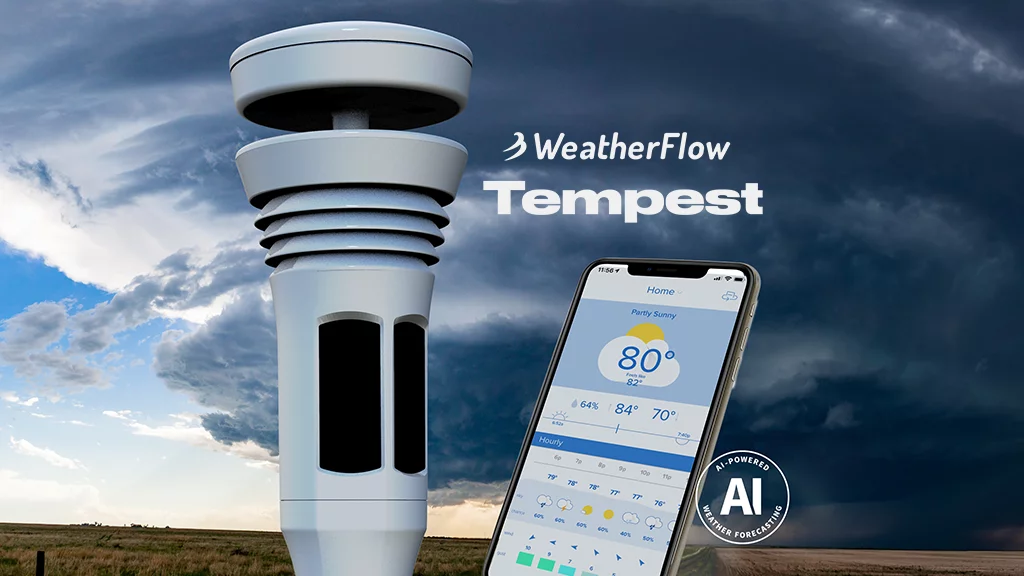
Weatherflow (WFLOW)
Overview: Weatherflow incentivizes the deployment of weather stations to create a high-resolution, real-time weather data network.
Airdrop Strategy: Token distribution occurs primarily through rewards for weather station operators, with bonuses based on data quality and location uniqueness.
Recent Developments: Partnerships with climate research institutions have created new value for the collected data, increasing token utility and demand.
How to Participate:
- Install a compatible weather station
- Position stations in areas with limited coverage
- Focus on regions prone to extreme weather events
- Maintain consistent data transmission for reliability bonuses
Grassroots Carbon (GRASS)
Overview: Grassroots Carbon is pioneering a decentralized carbon credit verification and trading system, allowing landowners to earn tokens for verifiable carbon sequestration.
Airdrop Strategy: GRASS tokens are distributed to landowners who demonstrate carbon sequestration through regenerative agriculture practices, verified through a combination of remote sensing and on-ground measurements.
Recent Developments: The increasing focus on climate solutions has brought attention to this relatively new project, with several corporate partnerships announced for carbon offset purchases.
How to Participate:
- Register applicable land in the Grassroots Carbon registry
- Implement approved carbon sequestration techniques
- Apply to become a validator to help verify claims
- Participate in pilot programs in specific geographic regions
LayerEdge (EDGE)
Overview: LayerEdge is creating a decentralized edge computing network that brings computational resources closer to end-users, reducing latency and improving performance for applications requiring real-time processing.
Airdrop Strategy: LayerEdge implements a multi-phase airdrop strategy, rewarding both hardware providers and developers who build applications utilizing the edge computing infrastructure.
Recent Developments: The project has recently completed a successful testnet phase and is preparing for mainnet launch with significant token incentives for early adopters and infrastructure providers.
How to Participate:
- Contribute computing resources through the LayerEdge node software
- Focus on geographic areas with high demand for edge computing services
- Develop applications that utilize the LayerEdge network
- Participate in the testnet challenges and bug bounty programs
- Join the ambassador program to earn additional rewards
Invite Code: [39fTAglx]
Pi Network (PI)
Overview: Pi Network aims to create an accessible cryptocurrency that can be mined on mobile devices without draining battery or requiring specialized hardware, making cryptocurrency more accessible to everyday users.
Airdrop Strategy: Rather than a traditional airdrop, Pi implements a “social mining” concept where users earn PI coins by validating their identity, contributing to network security, and building the community through referrals.
Recent Developments: Pi Network has transitioned from its closed network to the Open Network phase, allowing users to move their PI to the blockchain and engage with the Pi ecosystem applications.
How to Participate:
- Download the Pi Network mobile app and complete identity verification
- Mine PI daily through a simple check-in process
- Build your earning rate by growing your security circle with trusted contacts
- Participate in the Pi ecosystem by using apps built on the platform
- Contribute to the community as a Node or Pioneer (validator)
How to Maximize Your DePIN Airdrop Opportunities
Research and Due Diligence
Before participating in any airdrop, thorough research is essential:
- Project Fundamentals: Evaluate the team, technology, and market need for the DePIN project.
- Token Economics: Understand the distribution model, vesting schedules, and total supply.
- Community Engagement: Active communities often indicate healthy projects with long-term potential.
- Regulatory Compliance: Consider whether the project addresses regulatory concerns in your jurisdiction.
Research Checklist:
| Research Area | What to Look For |
| Team | Experienced founders with relevant background |
| Whitepaper | Clear technical explanation and roadmap |
| GitHub | Active development and code quality |
| Tokenomics | Fair distribution and sustainable model |
| Community | Active Discord/Telegram with thoughtful discussion |
| Partnerships | Collaborations with established companies or projects |
| Audits | Security reviews by reputable firms |
Strategic Participation
Maximize your potential rewards with these strategies:
- Early Engagement: Join projects during testnet phases when rewards are typically highest.
- Diversification: Participate in multiple DePIN ecosystems rather than focusing exclusively on one project.
- Quality Contributions: For infrastructure-based rewards, focus on providing high-quality resources rather than minimum participation.
- Long-term Perspective: Projects that reward continuous participation often provide better returns than one-time airdrops.
Participation Strategy by Project Type:
| DePIN Category | Optimal Strategy |
| Wireless Networks | Deploy in areas with limited coverage |
| Computing | Provide reliable, high-performance hardware |
| Storage | Offer consistent uptime and fast bandwidth |
| Mapping | Focus on unmapped or rapidly changing areas |
| Sensors | Place in strategic locations with data gaps |
| Energy | Target regions with volatile energy markets |
| VPN/Privacy | Maintain high-quality, stable connections |
| Edge Computing | Position nodes near population centers |
| Mobile Mining | Build strong security circles and ecosystem participation |
Security Considerations
Protect yourself while participating in airdrops:
- Use dedicated wallets for airdrop participation
- Never share private keys or seed phrases
- Be wary of impersonation scams on social media
- Verify all links through official project channels
- Consider hardware security for physical infrastructure contributors
The Future of DePIN Airdrops
Evolving Distribution Models
The DePIN ecosystem is continually refining how tokens are distributed:
- Proof of Physical Work: Increasingly sophisticated verification of real-world contributions
- Reputation-Based Systems: Rewards based on consistent, quality participation over time
- Geographic Targeting: Strategic incentives for infrastructure in high-need areas
- Cross-Network Incentives: Collaborative airdrops between complementary DePIN projects
Regulatory Landscape
As regulatory scrutiny of crypto projects increases, DePIN airdrops are adapting:
- More emphasis on utility and network participation versus speculation
- Clearer frameworks for token classification based on function
- Increased KYC/AML requirements for certain types of distributions
- Jurisdiction-specific participation requirements
Technology Innovations
New technologies are enabling more sophisticated DePIN airdrop mechanisms:
- Zkproofs for privacy-preserving verification of physical contributions
- IoT integration for automated verification of infrastructure operation
- AI-powered quality assessment of contributed resources
- Cross-chain interoperability enabling multi-network incentive structures
How to Cash Out Your DePIN Airdrop Tokens
Earning DePIN tokens is only half the story. Once your rewards land in your wallet, you need a clear process to convert them to USDT or fiat currency. Here is the exact step-by-step flow most DePIN participants use.
Step 1: Choose your exchange
Not all exchanges list DePIN tokens. Binance is the most comprehensive option – it lists GRASS, HNT, RNDR, FIL, MOBILE, AR and most other major DePIN tokens. Create a free account at the link below if you haven’t already.
Step 2: Get your Binance deposit address
Once your account is verified, go to Wallet → Spot Wallet → Deposit. Search for the token you earned (e.g. GRASS), select the correct network (Solana for GRASS, Solana for HNT, etc.), and copy your deposit address.
Step 3: Withdraw from your DePIN project dashboard
Go to your DePIN project’s app (GetGrass, Helium app, etc.), click Withdraw, paste your Binance deposit address, and confirm. Most withdrawals arrive within 5–30 minutes.
Step 4: Sell or convert on Binance
Once your tokens arrive in Binance, go to Trade → Spot. Search for your token pair (e.g. GRASS/USDT). Place a market order to sell instantly, or a limit order to sell at your target price.
Step 5: Cash out to your bank (optional)
If you want actual fiat, go to Buy Crypto → Sell. Select USDT, enter the amount, choose bank transfer, and confirm. Funds typically arrive within 1–3 business days depending on your country.
DePIN token cashout — 5-step process
Create your Binance account — free, takes 10 minutes, supports 350+ tokens including most DePIN assets. Get started here.
Get your deposit address — in Binance go to Wallet → Spot → Deposit, search for your token, select the correct network, and copy the address.
Withdraw from your DePIN app — in GetGrass / Helium / Render app, paste your Binance address and confirm withdrawal. Arrives in 5–30 minutes.
Sell on Binance Spot — go to Trade → Spot, search your token pair (e.g. GRASS/USDT), and place a market or limit order.
Cash out to your bank — go to Buy Crypto → Sell, select USDT, choose bank transfer. Arrives in 1–3 business days.
Frequently Asked Questions About DePIN Airdrops
Do I need a crypto exchange to claim DePIN airdrops?
Yes — most DePIN projects pay rewards into a project wallet first, but to sell or convert those tokens you need a centralised exchange like Binance. Some tokens can be swapped on DEXes (like Uniswap or Raydium), but Binance offers better liquidity, lower fees, and an easier cash-out process for beginners.
Which DePIN tokens are listed on Binance?
As of 2026, Binance lists GRASS, HNT, RNDR, FIL, AR, MOBILE and several others. Always verify the current listing before withdrawing — token listings change. Search your token on Binance’s markets page to confirm availability.
When is the best time to sell DePIN tokens?
There is no universal rule, but most experienced DePIN participants sell a portion of rewards each month rather than holding everything. This approach locks in real income while still keeping exposure to potential price appreciation. Converting to USDT on Binance is the fastest way to lock in your earnings.
Can I participate in multiple DePIN projects at once?
Absolutely. Most DePIN projects run independently — you can earn GRASS by sharing bandwidth, HNT by running a Helium hotspot, and RNDR by contributing GPU resources simultaneously. Each project deposits rewards into its own wallet, and you manage everything from one Binance account.
Is there a minimum withdrawal amount?
Each project sets its own minimum. GetGrass requires a minimum of 1 GRASS token before withdrawal. Helium has no formal minimum but gas fees make small withdrawals inefficient. Always check the specific project’s documentation before trying to withdraw.
Conclusion: Start Earning DePIN Rewards in 2026
The DePIN sector has matured significantly in 2026. These are no longer speculative whitepaper projects — networks like GetGrass, Helium, and Render are paying real money to hundreds of thousands of participants every month. The barrier to entry has never been lower: most DePIN projects require nothing more than an internet connection, a browser extension, and 15 minutes of setup time.
The three steps to get started today are simple. First, pick one or two projects from the list above that match your resources — bandwidth sharing, GPU power, or IoT hardware. Second, set up your Binance account so you have a receiving address ready for when your first rewards arrive. Third, keep your nodes running consistently — the projects that reward uptime consistently pay more than those that participate intermittently.
The DePIN economy rewards early participants most generously. If you have been sitting on the sidelines, 2026 is the right time to start.
Ready to cash out your DePIN earnings? Open Binance for free
Binance is the most-used exchange for DePIN participants worldwide. List your earned tokens, convert to USDT, and withdraw to your bank — all in one place.
Open free Binance account →Affiliate disclosure: We may earn a commission if you sign up via this link, at no extra cost to you.
Resources and Further Reading
DePIN Analysis and News
- Messari: messari.io/depin
- DePIN Association: depin.org
- The Block Research: theblockcrypto.com/research
Community Forums
- DePIN Reddit: reddit.com/r/DePIN
- Crypto Twitter Lists: twitter.com/i/lists/depin-projects
- Discord Servers for Individual Projects
Educational Content
- DePIN University: depin.university
- Web3 Foundation: web3.foundation/education
- DePIN Development Courses: buildspace.so/depin