

The entertainment industry is buzzing with speculation about a potential game-changing acquisition: Netflix buying Warner Bros. While neither company has confirmed such negotiations, the possibility has sent ripples through Wall Street and sparked intense discussion about the future of streaming platforms and media consolidation.
The Current Landscape of Streaming Competition
The streaming wars have intensified dramatically over recent years, with major players like Netflix, Disney+, Amazon Prime Video, and Warner Bros Discovery’s Max competing for subscriber attention and market share. Netflix, despite its pioneering position in the streaming industry, faces unprecedented challenges from traditional media companies that have launched their own direct-to-consumer platforms.
Warner Bros Discovery, formed through the 2022 Discovery merger of WarnerMedia and Discovery Inc., controls an impressive portfolio including HBO, Warner Bros Studios, DC Comics, CNN, and the Max streaming service. The company has struggled with significant debt following the Discovery merger and has been exploring various strategic options to strengthen its financial position.
Netflix Stock Performance and Strategic Positioning
Netflix stock (NFLX) has demonstrated remarkable resilience despite increased competition in the streaming marketplace. The company’s focus on password-sharing crackdowns, advertising-tier subscriptions, and premium content production has helped maintain its position as the streaming leader with over 240 million subscribers globally.
Investors closely monitor Netflix’s quarterly earnings reports, subscriber growth metrics, and content investment strategies. Any major Netflix acquisition announcement would significantly impact NFLX stock valuation, potentially creating both opportunities and risks for shareholders depending on the deal structure and integration strategy.
Warner Bros Stock and Financial Considerations
Warner Bros Discovery stock (WBD) has faced volatility since the company’s formation, trading below many analysts’ initial expectations. The company carries approximately $40 billion in debt from the Discovery merger, creating financial pressure that might make strategic alternatives attractive to management and shareholders.
The entertainment conglomerate possesses valuable intellectual property including DC superhero franchises, Harry Potter rights, classic film libraries, and premium television content through HBO. These assets represent significant value that could attract potential acquirers looking to expand their content offerings and competitive positioning.
What a Netflix Warner Bros Merger Could Mean
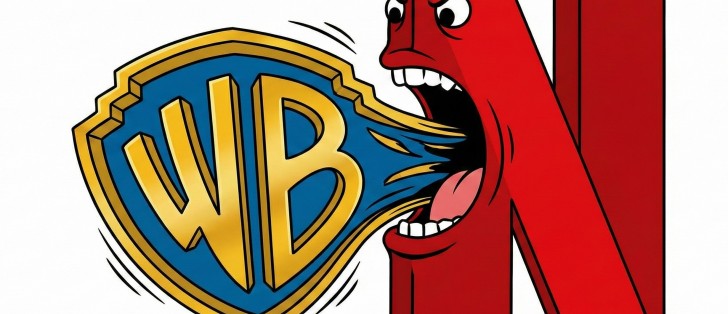
If Netflix were to acquire Warner Bros Discovery, the transaction would reshape the entertainment landscape fundamentally. The combined entity would control an unprecedented content library spanning decades of film and television production, from classic Warner Bros movies to HBO’s prestige programming and Netflix’s original content slate.
Such a media consolidation move would create a streaming powerhouse with enhanced bargaining power against content creators, technology platforms, and competitors. The merged company could leverage Warner Bros’ theatrical distribution capabilities alongside Netflix’s streaming expertise, creating new revenue opportunities across multiple distribution channels.
Regulatory and Antitrust Implications
Any major entertainment industry merger faces intense scrutiny from regulatory authorities concerned about market concentration and consumer impact. The Federal Trade Commission and Department of Justice have demonstrated increased willingness to challenge large media consolidation deals, citing concerns about competition, content diversity, and pricing power.
A Netflix Warner Bros acquisition would likely trigger extensive antitrust review, potentially requiring asset divestitures or operational restrictions as conditions for approval. The regulatory approval process could take months or even years, creating uncertainty for both companies and their shareholders.
Impact on Content Library and Streaming Platforms
The potential combination of Netflix’s streaming technology infrastructure with Warner Bros Discovery’s content assets would create compelling synergies. Subscribers could gain access to an expanded library including HBO originals, DC superhero content, classic Warner Bros films, and Netflix’s extensive original programming through a unified platform.
However, content licensing agreements, theatrical release windows, and existing distribution commitments would complicate any integration efforts. Warner Bros maintains numerous third-party licensing arrangements that could limit Netflix’s immediate ability to consolidate content onto a single streaming platform.
Alternative Scenarios and Industry Speculation
While acquisition speculation generates headlines, other strategic alternatives exist for both companies. Warner Bros Discovery might pursue asset sales, spin-offs, or partnerships rather than a complete acquisition. Netflix could focus on smaller content library acquisitions, production company purchases, or continued organic growth strategies.
The streaming wars continue evolving as companies experiment with different business models, pricing strategies, and content approaches. Some industry observers believe consolidation is inevitable given the high costs of content production and intense competition for subscriber attention.
What Investors Should Watch
Shareholders monitoring Netflix stock and Warner Bros stock should pay attention to several key indicators: quarterly subscriber growth trends, content investment levels, free cash flow generation, debt management strategies, and management commentary on strategic priorities.
Any formal acquisition discussions would require disclosure to regulatory authorities and shareholders, making major developments difficult to conceal. Until official announcements emerge, speculation about Netflix buying Warner Bros remains precisely that – speculation based on industry logic rather than confirmed negotiations.
Conclusion
The possibility of Netflix acquiring Warner Bros Discovery represents one of the most intriguing potential deals in entertainment industry history. While significant financial, regulatory, and operational challenges would complicate any such transaction, the strategic logic behind combining these media powerhouses continues attracting attention from investors, analysts, and industry observers.
As the streaming wars intensify and traditional media companies navigate digital transformation challenges, further consolidation seems likely. Whether Netflix and Warner Bros ultimately combine or pursue separate paths, their strategic decisions will significantly influence the future of entertainment distribution and content creation.